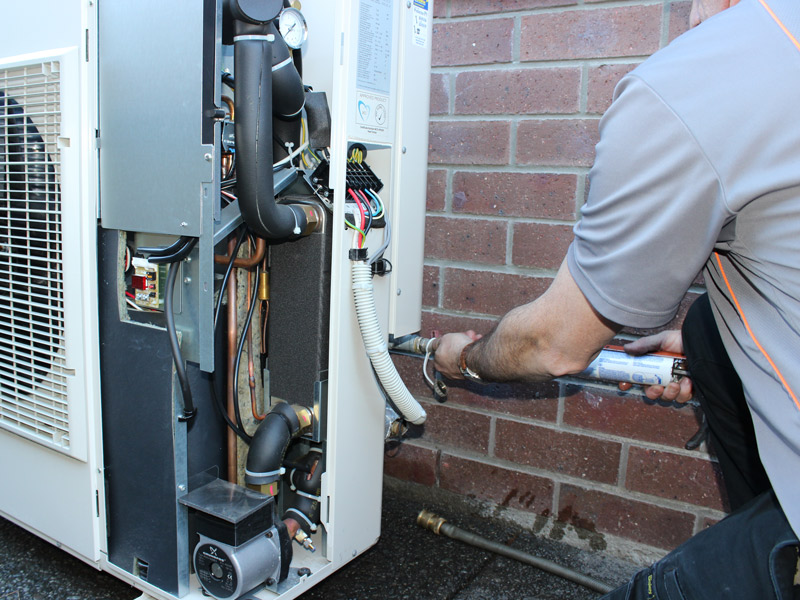
Heat pumps deliver efficient heating and cooling year-round, yet many homeowners overlook the simple steps that keep them performing at peak levels. Rising energy costs and unpredictable weather patterns make proper care more important than ever. This article shares practical strategies drawn from years of field experience to help you avoid breakdowns, cut utility bills, and extend your system’s life. You will discover hands-on routines, warning signs to watch for, and smart habits that deliver real results in everyday home comfort.
Homeowners searching for reliable heat pump maintenance in Navarre, FL often face unique challenges from the area’s humid coastal climate. Salt-laden air and frequent storms accelerate wear on outdoor components. Regular attention prevents corrosion and keeps the system running smoothly through hot summers and mild winters. These localized insights help residents protect their investment while maintaining consistent indoor temperatures without surprise repair costs.
Understanding basic system operation builds confidence in daily care. A heat pump moves heat rather than generating it, relying on clean coils, proper refrigerant levels, and strong airflow. When debris accumulates or filters clog, the unit works harder, raising energy use and shortening lifespan. Spotting small issues early through simple observations saves money and prevents major failures during peak seasons.
Many Florida homeowners benefit from heat pump maintenance in Navarre, FL, because local conditions demand extra vigilance around moisture and vegetation growth. Professionals familiar with regional factors provide tailored checks that generic advice misses. Addressing these specifics early keeps systems efficient even during humid periods when mold risks rise inside ductwork.
Why Consistent Care Matters More Than You Think
Heat pumps operate efficiently only when all parts work together without resistance. Neglected units lose up to twenty-five percent efficiency over time, directly hitting monthly bills. In coastal areas like Navarre, unchecked buildup from pollen, sand, and moisture leads to frozen coils or reduced heating capacity during occasional cold snaps. Proactive steps preserve performance and protect the compressor, the most expensive component.
Daily and Weekly Habits That Make a Difference
Simple observations fit easily into routine life. Walk around the outdoor unit while taking out trash and note any new debris or plant growth. Listen for unusual sounds during operation, such as grinding or excessive clicking. These quick checks reveal problems before they escalate. Families with pets notice faster filter loading, so adjusting frequency prevents strain on the blower motor.
Cleaning Practices Homeowners Can Handle Safely
Start with air filters, the easiest and most impactful task. Replace or clean them monthly during heavy use seasons. Restricted airflow forces the system to run longer cycles, increasing wear. For outdoor coils, turn off power at the disconnect, then gently rinse with a garden hose from the inside out. Avoid high-pressure sprays that bend delicate fins. This restores heat transfer efficiency without professional tools.
Seasonal Checks Aligned with Florida Weather
Spring preparation focuses on cooling readiness after winter. Clear vegetation to maintain at least eighteen inches of clearance around the outdoor cabinet. Fall brings heating season focus, where checking defrost cycles prevents ice issues during rare freezes. Summer humidity calls for condensate drain attention to avoid backups that damage indoor components. Winter monitoring ensures auxiliary heat engages only when truly needed.
Recognizing Warning Signs Before They Worsen
Unusual ice on the outdoor unit during cooling mode often signals low refrigerant or airflow problems. Weak airflow from vents suggests dirty filters or blocked returns. Rising energy bills without usage changes indicate declining efficiency. Strange odors point to microbial growth in the drain pan. Addressing these promptly through basic actions or timely service calls prevents cascading failures.
The Role of Professional Service in Long-Term Reliability
Annual technician visits include refrigerant checks, electrical connections, and performance testing that homeowners cannot perform safely. In Navarre’s environment, experts look specifically for corrosion from salt air and ensure proper drainage after storms. These visits catch minor leaks or worn belts early, avoiding emergency calls during extreme weather. Think of it as insurance that pays dividends in comfort and lower operating costs.
Optimizing Thermostat Use for Better Efficiency
Consistent temperature settings reduce short cycling that stresses the compressor. Avoid large swings that trigger backup heat unnecessarily. Smart thermostats compatible with heat pumps learn household patterns and adjust automatically. In Florida homes, maintaining around seventy-eight degrees in summer balances comfort with efficiency. Proper settings complement physical maintenance by reducing overall workload on the system.
Here are key practices to incorporate right away:
- Inspect and clear the area around the outdoor unit monthly, removing leaves, grass clippings, and any storm debris.
- Test condensate drain flow quarterly by pouring a cup of water into the pan and confirming it drains properly.
- Straighten bent coil fins carefully with a fin comb to restore full airflow capacity.
- Check ductwork connections visible in attics or crawl spaces for leaks that waste conditioned air.
- Monitor auxiliary heat usage through your thermostat history and investigate frequent activation.
Maintaining Balance Between DIY and Expert Help
Homeowners handle routine cleaning effectively, but refrigerant handling and electrical diagnostics require licensed professionals. Combining both approaches creates a complete care strategy. Track your maintenance in a simple notebook or phone app to spot patterns over the years. This record proves valuable when selling the home or discussing issues with service technicians.
Putting Knowledge Into Action
Successful heat pump owners treat maintenance as ongoing care rather than occasional fixes. Start with filter changes this week and schedule professional service before the next season peaks. These steps deliver lower bills, quieter operation, and reliable comfort for your family. Apply what you learned today, and your system will reward you with years of dependable service in Florida’s demanding climate.